
2025 was one of the most dynamic years yet for uncrewed systems, with major leaps in sensing, autonomy, endurance, navigation resilience, and counter-UAS capability. Based on the most-read articles on UnmannedSystemsTechnology.com, readers gravitated toward best-in-class products, next-generation platforms, and breakthrough technologies reshaping global unmanned operations.
This “Innovations Round-Up” highlights the systems and technologies that defined 2025, and will set the trajectory for uncrewed capability moving into 2026.
Jump to section:
Aerial & Military Platforms: The Systems That Defined 2025
Mission Payloads & Advanced Sensor Innovations
Navigation, PNT & Sensor Fusion: Precision in Every Environment
Autonomy, Computing & Embedded Electronics
Anti-Jam & Resilience Technologies (A-PNT Security)
Counter-UAS & Airspace Protection
Propulsion & Energy Breakthroughs
Maritime & Subsea Platforms: Ocean Autonomy Accelerators
Looking Back – and Toward 2026
Aerial & Military Platforms: The Systems That Defined 2025
Unmanned platforms continued to evolve rapidly, with airframes becoming more robust, more autonomous, and significantly quicker to deploy to meet demanding mission profiles across commercial and defense needs.
Commercial Platforms
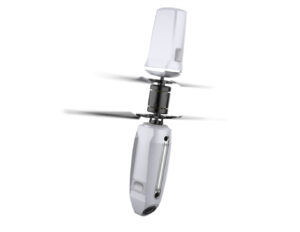

A standout development came from Ascent AeroSystems with HELIUS, a sub-250g coaxial nano-UAV that brought NDAA compliance and onboard AI to a market long dominated by non-secure consumer systems. Compact and rugged, it demonstrated how capable the micro-UAS category has become.
- ZIYAN’s F15 autonomous docking station advanced infrastructure for continuous UAV operations through fully automated charging, maintenance, and data transfer.
- Acecore’s new Noa heavy-lift platform strengthened high-end commercial operations with greater payload flexibility, improved resilience, and rapid field deployment.
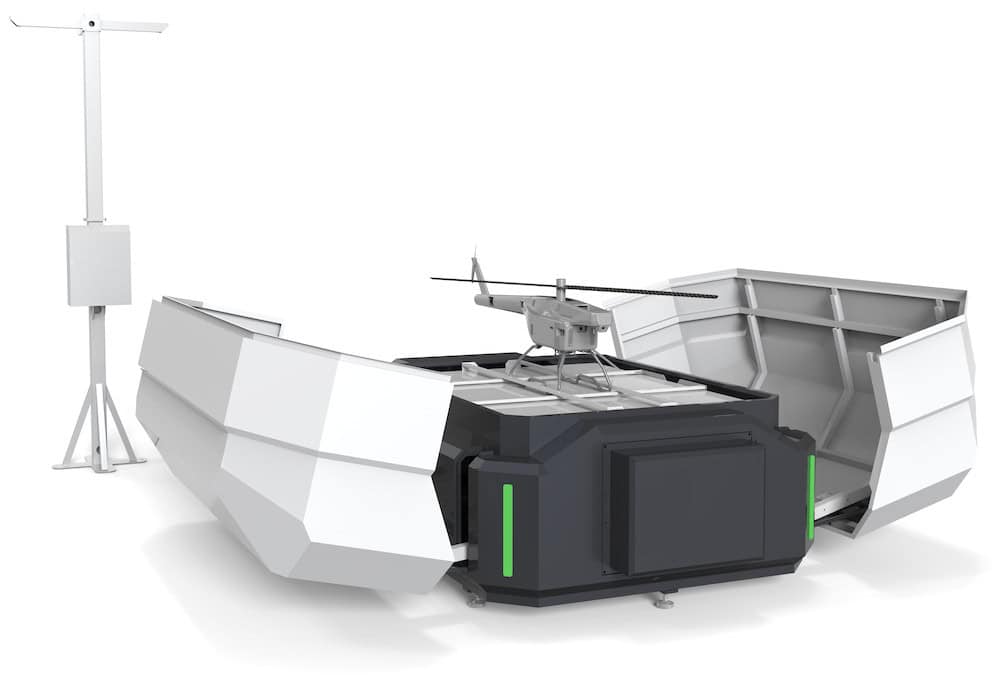

These advances reflected a clear industry shift toward rugged, AI-enabled platforms built for demanding, continuous, data-driven commercial workflow
Military Platforms
Defense UAS also saw major gains. TEKEVER’s AR3 Evolution, unveiled at DSEI 2025, introduced an enhanced shipborne ISR system designed for contested maritime environments and multi-domain operations.

- Red Cat’s FANG F7™ delivered an American-made, retrievable FPV asset for tactical training and frontline reconnaissance.
- Rotron Aerospace’s Defendor UCAV added a sovereign, propulsion-driven entrant to the rapidly growing one-way effector space.
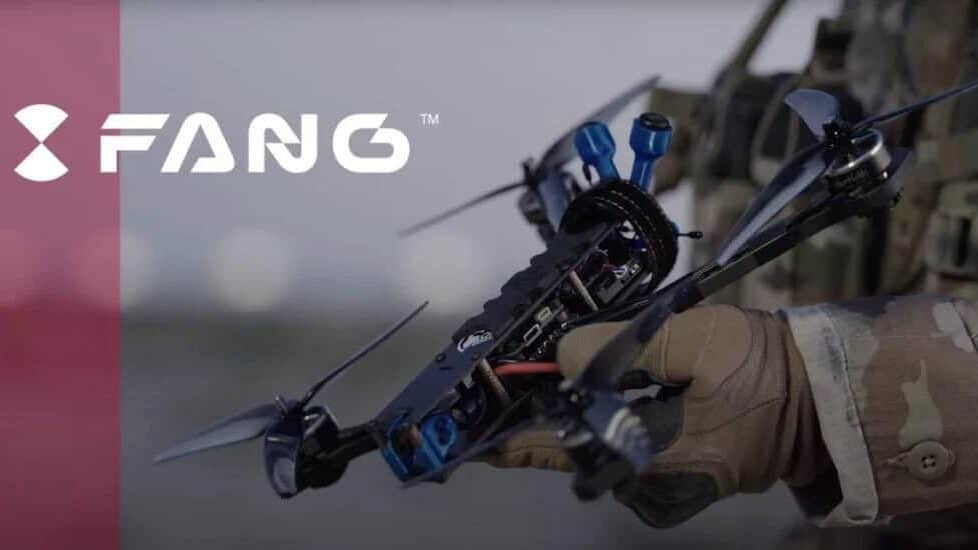
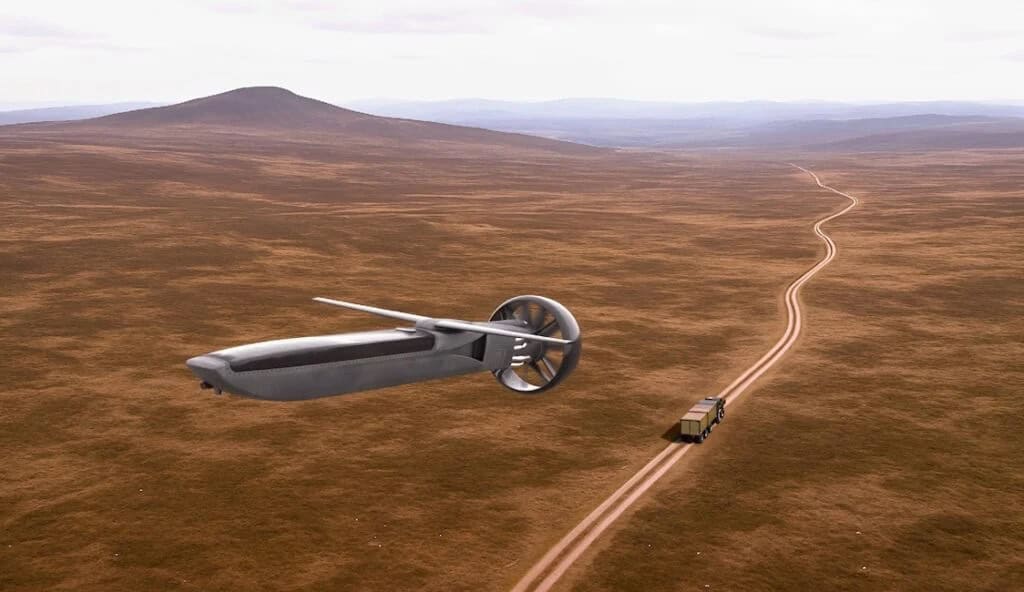
These systems showed how modular ISR platforms, low-cost tactical drones, and new UCAV concepts shaped defense priorities in 2025.
Special Mention
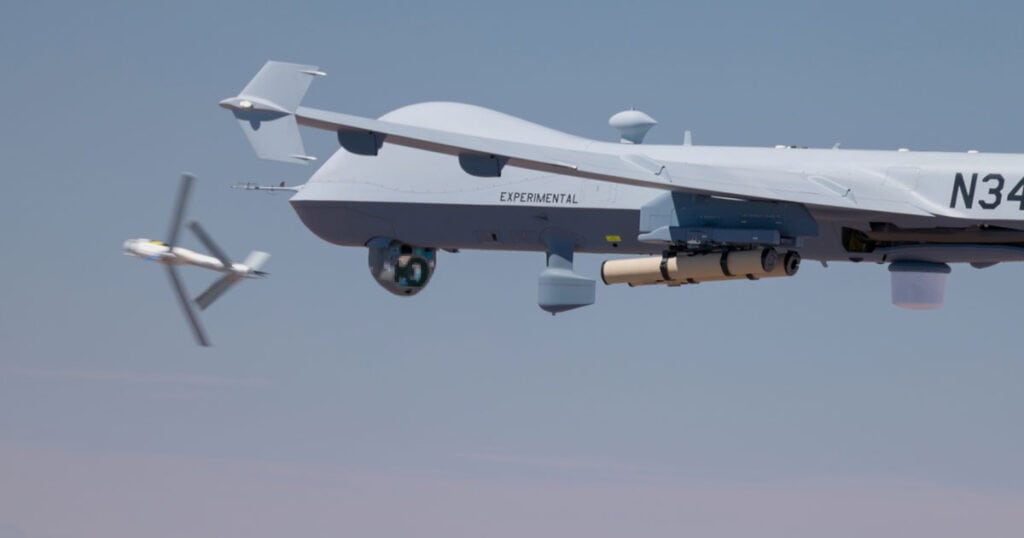
GA-ASI’s successful launch of a Switchblade 600 from an MQ-9A marked a milestone for air-launched effects and large-UAS “mothership” concepts, an important step toward distributed unmanned air dominance.
Mission Payloads & Advanced Sensor Innovations
The SWaP (Size, Weight, and Power) race dominated the sensor market. Manufacturers pushed for lighter, smarter, and more resilient solutions to support ISR, inspection, and environmental monitoring.
Payloads
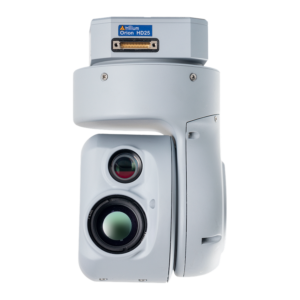
Trillium Engineering set the tone for 2025 with the launch of the HD25-LV-C, a sub-400g, low-cost gimbaled EO/IR system designed for attritable and expendable sUAS. Despite its compact SWaP, it delivers advanced imaging and onboard processing, expanding what lightweight platforms can achieve.
- FT Technologies’ FT602 added precise, lightweight ultrasonic wind measurement in a 170g package, supporting safer autonomous flight and more reliable environmental sensing.
- Gremsy’s Orus L introduced a rugged, AI-enabled spherical payload with advanced EO/IR sensors for high-speed missions, offering rapid onboard interpretation in demanding environments.
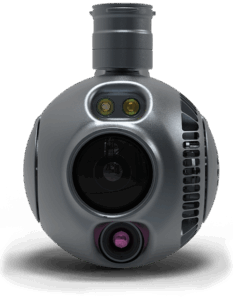
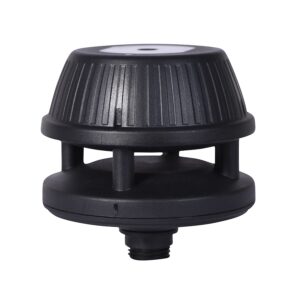
Together, these payloads underscored a shift toward intelligent, lightweight sensing for platforms where SWaP is critical.
Cameras & Optics
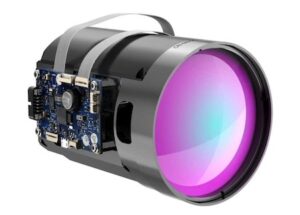
Optical systems also advanced. MKS Ophir’s SupIR 10–135mm MWIR lens provided long-range thermal clarity for compact ISR payloads, while NIT’s SenS 1920 SWIR camera delivered low-noise, Full HD imaging for detection and inspection tasks.
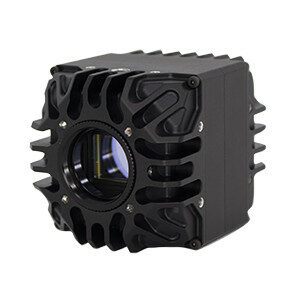
by New Imaging Technologies
In the subsea domain, Voyis’ Deep Vision Optics improved clarity and sharpness for ROV and AUV operations, pushing underwater imaging capability forward.
Navigation, PNT & Sensor Fusion: Precision in Every Environment
Navigation systems continued to strengthen in accuracy, stability, and GNSS resilience, critical as more operations move into harsh, complex, or contested environments.
Navigation Sensors & INS Systems
A core focus was placing tactical-grade performance into smaller form factors:

- HBK’s 3DM-CV7 delivered high-grade positioning for compact autonomous systems by miniaturizing a lightweight tactical-grade GNSS/INS solution.
- Advanced Navigation’s Boreas 50 Series expanded its Fiber Optic Gyroscope (FOG) portfolio with precise A50 and D50 models explicitly built for intermittent or degraded GNSS.
These sensors marked a significant, necessary step toward inertial accuracy and long-term reliability.
GNSS-Denied Navigation
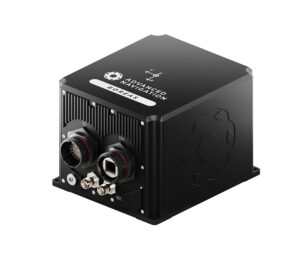
A major milestone demonstrated the path forward for infrastructure-free navigation. Advanced Navigation’s Hybrid Navigation System, centered on the Boreas D90, achieved sub -0.1% during deep-mine field testing, proving reliable autonomy where GPS is simply unavailable
Maritime Navigation Sensors
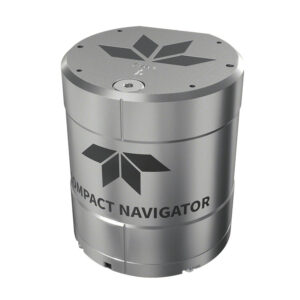
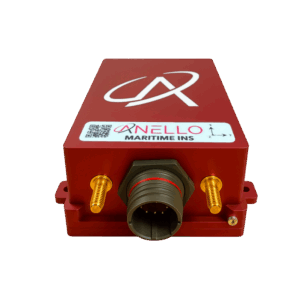
Underwater navigation also advanced. Teledyne Marine’s Compact Navigator offered an all-in-one DVL + INS system optimized for AUVs and ROVs, while Anello’s Maritime INS provided high-grade accuracy for complex surface and subsea missions.
Autonomy, Computing & Embedded Electronics
Onboard intelligence continued to accelerate, with compute modules, avionics, and rugged electronics enabling smarter and more capable autonomous operations.
Autonomy & Computing
ARK Electronics advanced secure onboard AI compute with its NDAA-compliant Just a Jetson carrier, while UAV Navigation-Grupo Oesía strengthened BVLOS autonomy through Iridium integration into its VECTOR flight control system.
Flight Control & Avionics
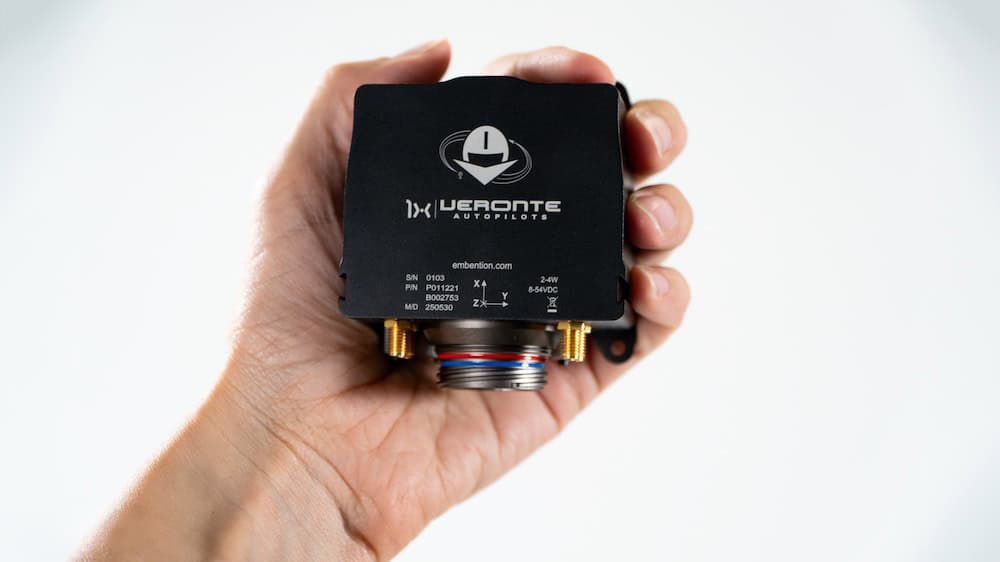
Embention’s Veronte Autopilot 1x 4.12 introduced significant precision and safety upgrades without increasing SWaP.
Embedded Electronics & Computing
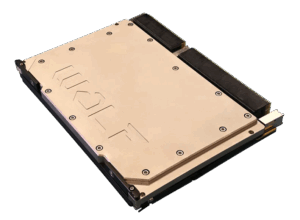
High-performance computing saw major updates with WOLF’s new Blackwell-powered VPX modules, while BotBlox’s SPEBlox simplified network architecture for lightweight robotics. Nicomatic’s Matr’YX connectors added robust, high-speed interconnects for demanding military environments.

Connectivity & Control
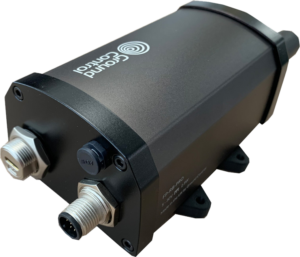
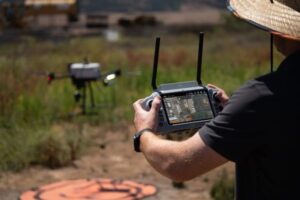
Reliable communications also advanced through Ground Control’s RockBLOCK Pro, Embention’s XDL24 datalink, and Inspired Flight’s GS-ONE, a rugged handheld ground control station.
Anti-Jam & Resilience Technologies (A-PNT Security)
With RF environments becoming more contested, A-PNT technologies grew increasingly important.
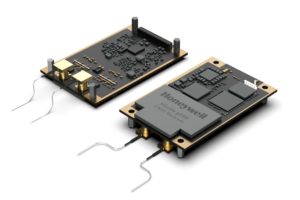
Honeywell’s HGuide o480 delivered compact anti-jam, anti-spoof resilience in a low-SWaP INS, while:
- Calian’s CR8894SXF+ CRPA strengthened GNSS survivability through in-band null forming and XF+ filtering.
- Inertial Labs’ M-AJ-QUATRO added a robust multi-element anti-jam antenna for GPS-compromised environments.
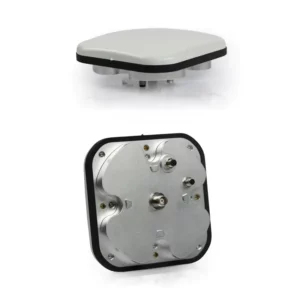
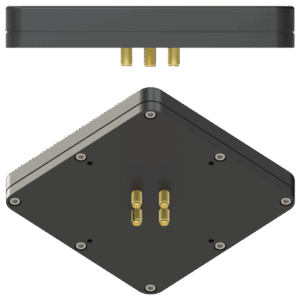
These advancements reinforced mission assurance in degraded or hostile RF conditions.
Counter-UAS & Airspace Protection
Counter-drone systems matured significantly, reflecting the increasing complexity of civilian and military airspace threats.
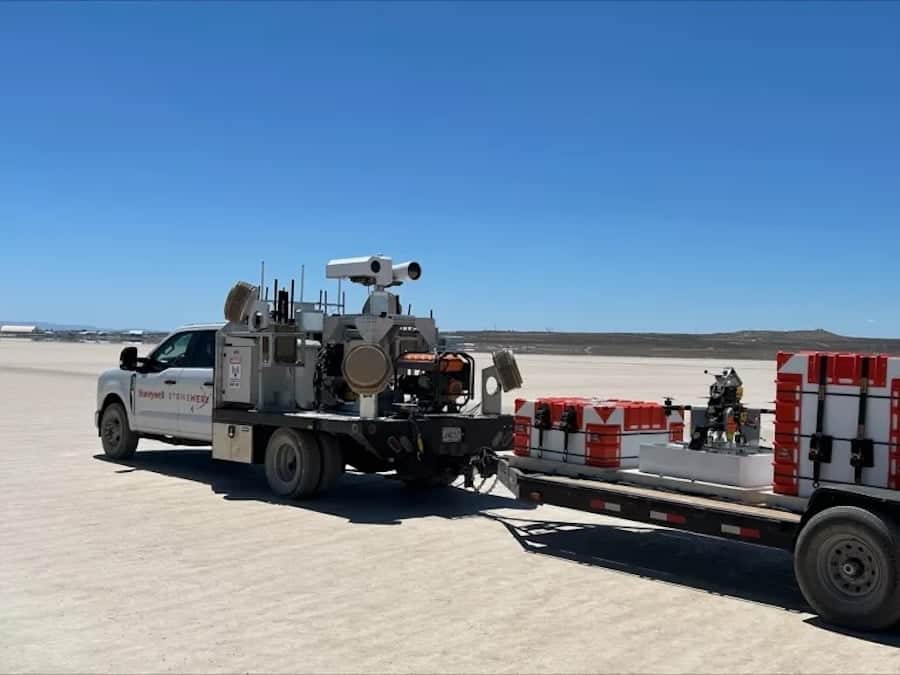
- Honeywell’s Reveal & Intercept System led the category with its multi-sensor swarm-defeat capability.
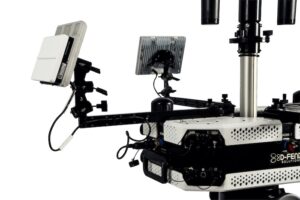
- D-Fend Solutions’ EnforceAir PLUS expanded cyber-centric detection and takeover options.
- ParaZero’s DefendAir net launcher achieved a significant milestone with 100% interception success during defense-sector trials.

A clear trend emerged: layered, modular counter-UAS architectures are becoming the norm.
Propulsion & Energy Breakthroughs
Endurance and powertrain capability saw meaningful advances in 2025.
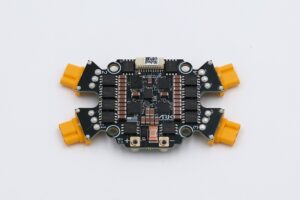
ARK Electronics’ 4IN1 ESC CONS streamlined U.S.-based drone manufacturing with a connectorized, solder-free ESC design.
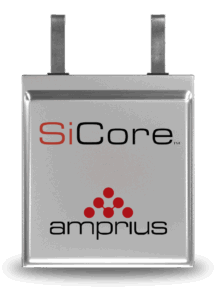
- Amprius pushed battery density to 450 Wh/kg with its SiCore™ lithium-ion cell.
- Tulip Tech’s battery upgrade to the DeltaQuad Evo delivered more than eight hours of flight and 500 km in field testing.
Maritime & Subsea Platforms: Ocean Autonomy Accelerators
Ocean robotics also accelerated, with platforms offering better mapping, inspection, and subsea navigation.
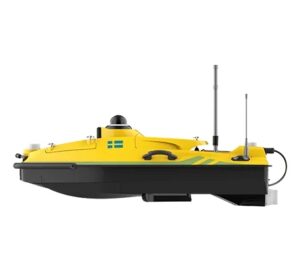
- SatLab’s HydroBoat 1200MB enabled fast-deploy, real-time 3D hydrographic surveys.
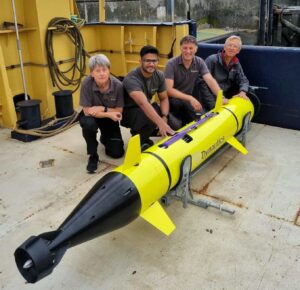
- Dynautics’ Phantom 2 UUV expanded modular subsea capability.
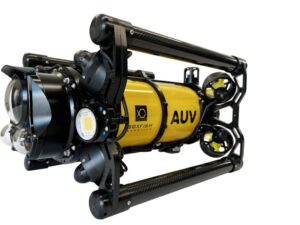
- Boxfish’s hovering AUV brought precise autonomous maneuvering to detailed marine research.
Special Mention
Greensea IQ’s EverClean robotic hull maintenance system showcased next-generation autonomy for underwater inspection and asset care.
Looking Back – and Toward 2026
The clear takeaways from 2025’s most impactful innovations are a focus on persistence, security, and integration. The market is demanding platforms that fly longer, navigate without GPS, and think faster at the edge. The growing convergence between commercial and defense technologies will continue to drive a new era of persistent, intelligent, multi-domain unmanned capability.
The post Breakthroughs in Unmanned Systems in 2025: Best New Technologies, Platforms & Innovations appeared first on Unmanned Systems Technology.
发布者:Sarah Simpson,转转请注明出处:https://robotalks.cn/breakthroughs-in-unmanned-systems-in-2025-best-new-technologies-platforms-innovations-2/
